
Quality Standards for Global Spice Buyers
How lab testing, moisture thresholds, and ISO/FSSAI certifications separate serious spice suppliers from the rest — and what international importers actually check.
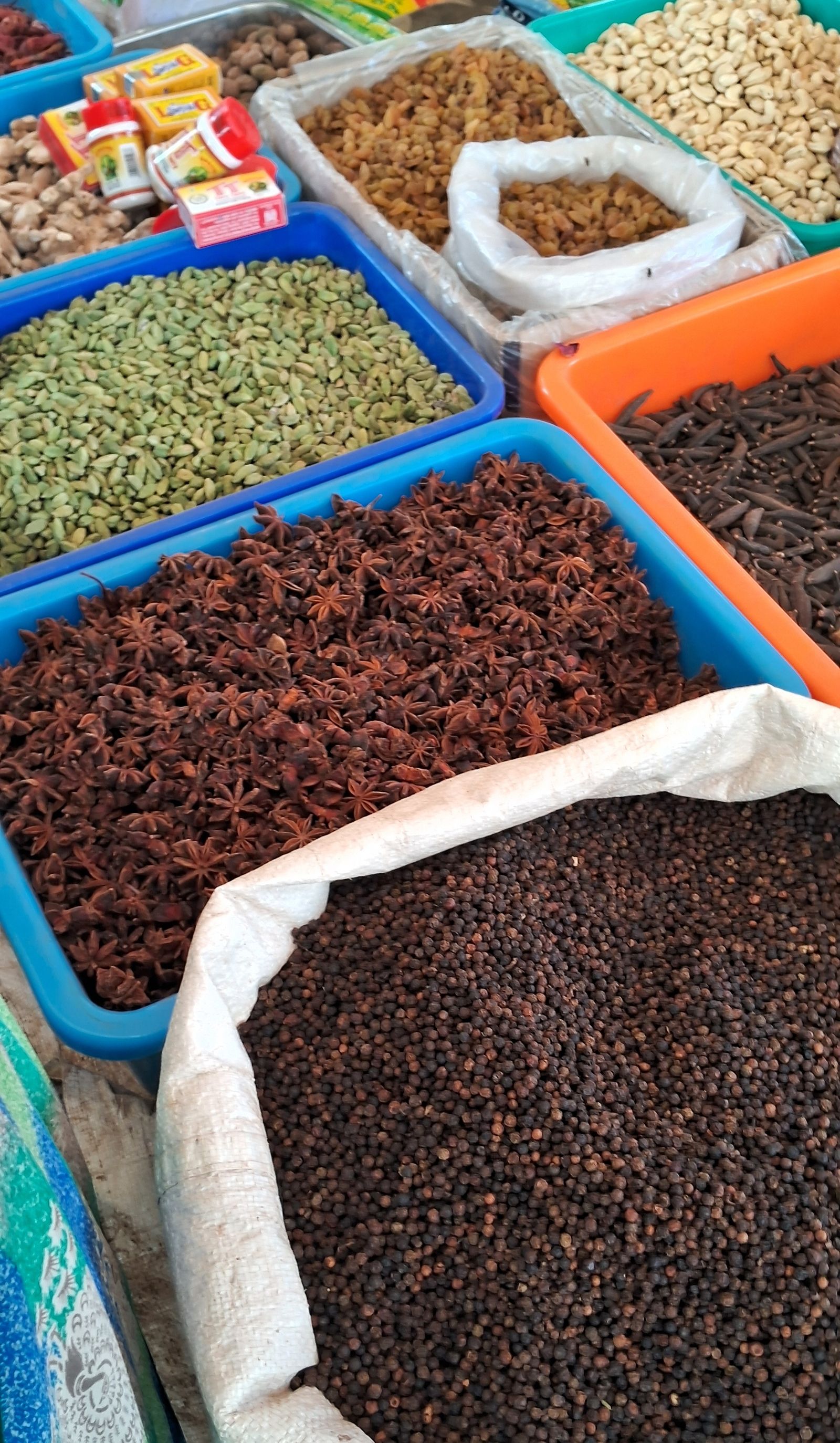
India supplies over 70% of the world's spices by volume. But volume and quality aren't the same thing — and international buyers know it. Here's what actually gets tested before a container leaves our warehouse, and what your buyer's QA team will look for on arrival.
1. The five pillars of spice quality
- Purity — no extraneous matter (stems, stones, dust)
- Moisture — usually capped at 10–12% depending on the spice
- Volatile oil content — the flavour signature (cumin 2.5%+, cardamom 6%+)
- Colour / ASTA units — especially for chili, paprika, turmeric
- Microbial & chemical load — aflatoxin, ETO, pesticide residues
2. Certifications buyers actually ask for
Not all certifications carry the same weight abroad. These are the three we see on almost every purchase order from Europe, the USA, and the Gulf:
- FSSAI — India's domestic food safety licence; table stakes
- ISO 22000 / FSSC 22000 — food safety management system
- SGF / IFS / BRCGS — European retailer-grade certifications for premium buyers
- USDA Organic / EU Organic / JAS — for the organic segment
- Spice Board of India — a must-have for spice-specific exports
3. The big three contamination tests
International buyers reject shipments for three issues more than anything else:
- Aflatoxin (B1, B2, G1, G2) — mycotoxins from mold, capped at 4–10 ppb in most markets
- ETO (Ethylene Oxide) — used historically for sterilisation, banned in EU since 2020
- Pesticide residues — tested against MRLs that vary by country (EU and Japan are strictest)
4. How we test at Honest Export
Every lot we ship is sampled at three stages: at the farm gate, at the processing unit before cleaning, and at the packing line before the container is stuffed. Samples go to NABL-accredited labs. We keep retained samples for 24 months so the buyer can cross-verify a shipment years later.
For premium buyers we also provide a full Certificate of Analysis (CoA) showing moisture, volatile oil, ash content, foreign matter, and the top 10 pesticide residues — per shipment, not per year.
5. Packaging for long-haul
Quality dies in bad packaging. Spices lose volatile oil, absorb moisture, and cross-contaminate if you cheap out here. Our default export packaging:
- Food-grade PP woven bags with inner LDPE liner
- 25 kg or 50 kg sacks, heat-sealed
- Palletised on heat-treated ISPM-15 wooden pallets
- Fumigated containers, desiccant inserts for humid destinations
The bottom line
If a supplier won't send a CoA, won't name their lab, and won't provide retained samples — walk away. Serious buyers know the game, and serious suppliers are built for it.
Need a hand with your next shipment?
Our trade desk handles documentation, compliance, and logistics for buyers in 22+ countries. Get a quote today.
Talk to our teamContinue reading

Exporting from India: Documentation Essentials
A practical walkthrough of the paperwork every Indian exporter needs — IEC code, shipping bills, certificates of origin, and country-specific phytosanitary compliance.

INCOTERMS 2020 Explained for Bulk Shipments
FOB, CIF, DDP — knowing which Incoterm to quote can save thousands on a single container. A plain-English guide to choosing the right terms for your trade.